North America : Market Leader in Innovation
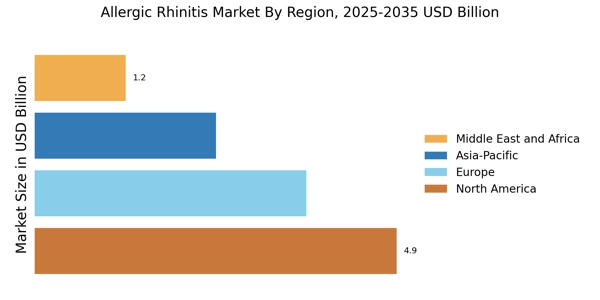
North America leads in the market Size, accounting for over 39.71% of the global revenue in 2024. The region's growth is driven by increasing prevalence of allergies, heightened awareness of treatment options, and robust healthcare infrastructure. Regulatory support for innovative therapies and a strong pipeline of new products further catalyze market expansion.
- According to CDC health statistics, allergic diseases remain among the most common chronic conditions affecting the U.S. population. Millions of healthcare visits annually are associated with allergy-related symptoms, supporting strong demand for innovative allergy therapeutics, advanced diagnostics, and long-term disease management solutions throughout North America.
The U.S. is the primary contributor, followed by Canada, which is experiencing a growing demand for effective allergy management solutions. The competitive landscape in North America is characterized by the presence of major pharmaceutical companies such as Merck & Co., Allergan, and GlaxoSmithKline.
- Allergan continues contributing to the allergy and respiratory therapeutics landscape through product development initiatives supporting symptom management and patient care. Strong pharmaceutical innovation, combined with favorable reimbursement structures and advanced healthcare infrastructure, reinforces North America's leadership position within the global market.
Europe : Emerging Regulatory Frameworks
Europe market size was valued at USD 3.70 Billion in 2024, making it the second-largest regional market with a 30% share. Growth is supported by regulatory initiatives and strong therapeutic innovation, particularly within Europe market by treatment strategies focusing on immunotherapy and advanced biologics.
- The European Medicines Agency continues supporting innovation through rigorous evaluation and approval of advanced therapeutic products. Europe's strong regulatory framework encourages pharmaceutical investment in immunotherapy and biologics, helping expand treatment options for allergy patients while supporting the region's USD 3.70 billion market valuation in 2024.
Regulatory bodies are actively promoting innovative treatments, which is expected to enhance patient access to effective therapies. Countries like Germany and France are leading the market, supported by strong healthcare systems and increasing healthcare expenditure. The competitive landscape in Europe features key players such as Sanofi, AstraZeneca, and Bayer, who are investing in research to develop advanced treatment options.
The presence of a well-established pharmaceutical industry and ongoing clinical trials for new therapies are significant factors driving market growth. Additionally, the European Medicines Agency's commitment to expediting the approval process for novel therapies is likely to further boost the market landscape.
Asia-Pacific : Rapidly Growing Market Potential
Asia-Pacific is witnessing rapid growth in the market, holding approximately 20% of the global share. The region's growth is driven by increasing urbanization, rising pollution levels, and changing lifestyles that contribute to higher allergy prevalence. Countries like China and India are at the forefront, with significant investments in healthcare infrastructure and awareness campaigns aimed at allergy management. Regulatory support for new therapies is also enhancing market dynamics.
The competitive landscape in Asia-Pacific is evolving, with both local and international players vying for market share. Companies such as Teva Pharmaceutical Industries and Boehringer Ingelheim are expanding their presence through strategic partnerships and product launches. The focus on affordable treatment options and the introduction of over-the-counter medications are expected to further drive market growth in this region, catering to the increasing demand for effective allergy solutions.
Middle East and Africa : Untapped Market Opportunities
The Middle East and Africa region is gradually emerging in the market, currently holding about 10% of the global share. The growth is primarily driven by increasing awareness of allergic conditions, rising healthcare expenditure, and the need for effective treatment options. Countries like South Africa and the UAE are leading the market, supported by improving healthcare infrastructure and government initiatives aimed at enhancing allergy management.
Regulatory frameworks are evolving to facilitate the introduction of new therapies. The competitive landscape in this region is characterized by a mix of local and international players, with companies like Novartis and Bayer actively participating in market development. The focus on education and awareness campaigns is crucial for driving demand for allergy treatments. Additionally, the increasing prevalence of allergic rhinitis due to environmental factors presents significant opportunities for growth in this untapped market.